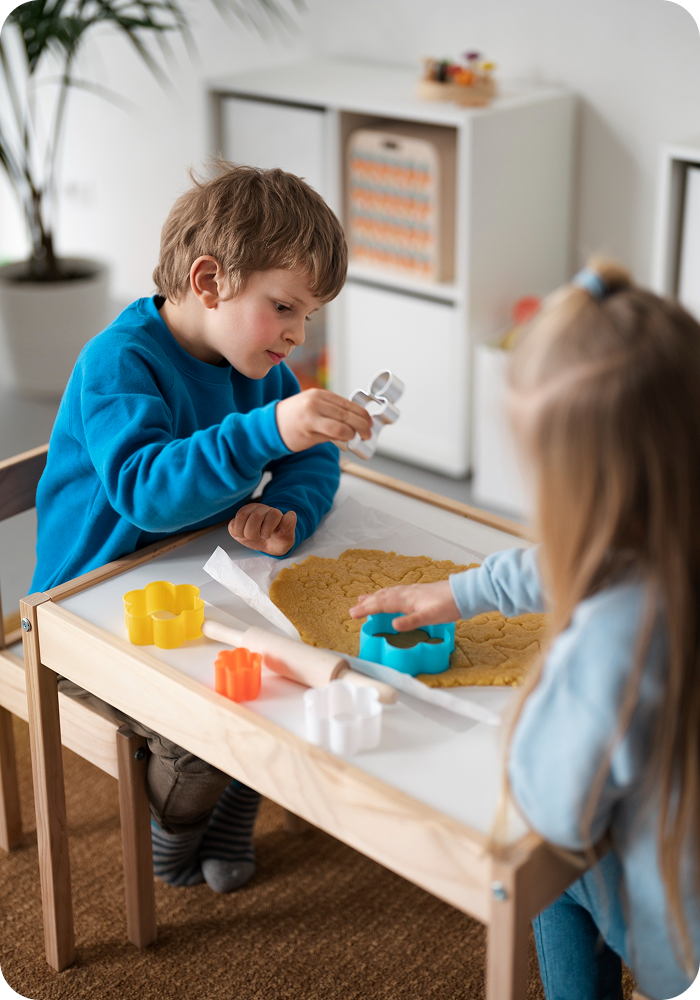
Photo of a child learning with Montessori materials

Designed and Built by Deep Conviction

Parahita Learn & Grow Lab was designed and built on the foundation of Montessori philosophy and educational psychology, with the belief that child growth must be understood as a whole, not only through outcomes, but through the process.

The system at Parahita did not appear spontaneously. It was built through understanding, experience, and consistent reflection on child development.

Educational Background

Two Foundations That Shape the System

Parahita is built on the combination of two mutually reinforcing disciplines: Montessori philosophy and educational psychology.

The integration of Montessori andeducational psychology is whatgave rise to Parahita MontessoriGrowth Framework™.

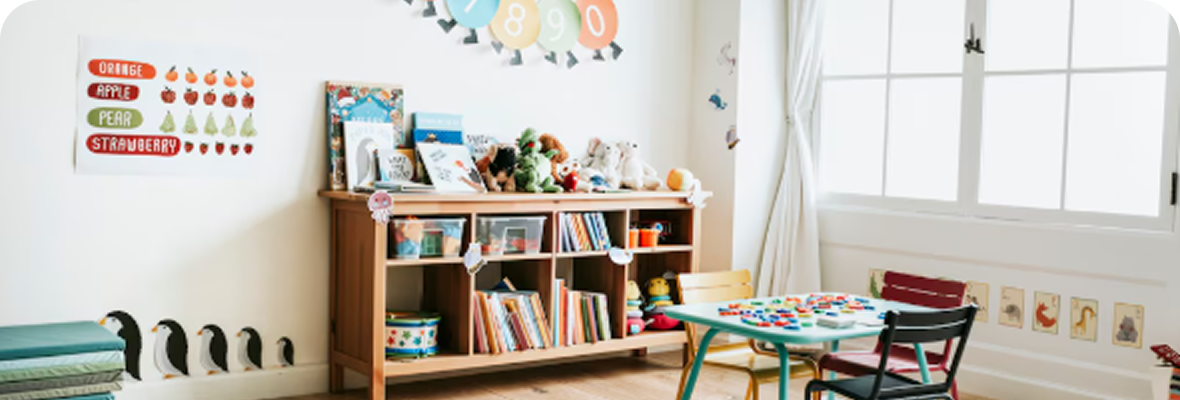
Montessori classroom atmosphere
Montessori Diploma

Montessori Approach
as the Main Foundation

Montessori philosophy becomes the main framework for designing the entire environment and system at Parahita.

  • Guided independence
  • An orderly and consistent environment
  • Respect for each child’s developmental rhythm
  • Observation before intervention

Montessori is not an add-on method. It is the main framework for designing the entire Parahita system.
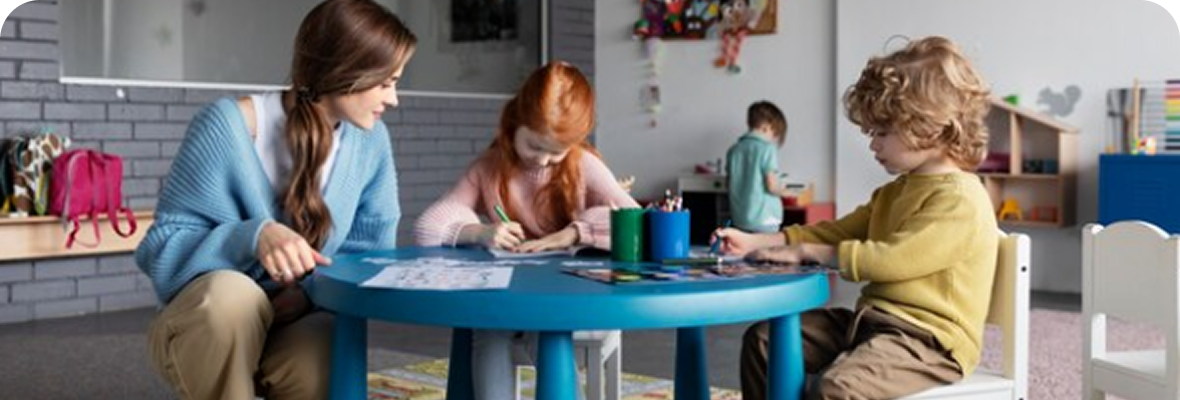
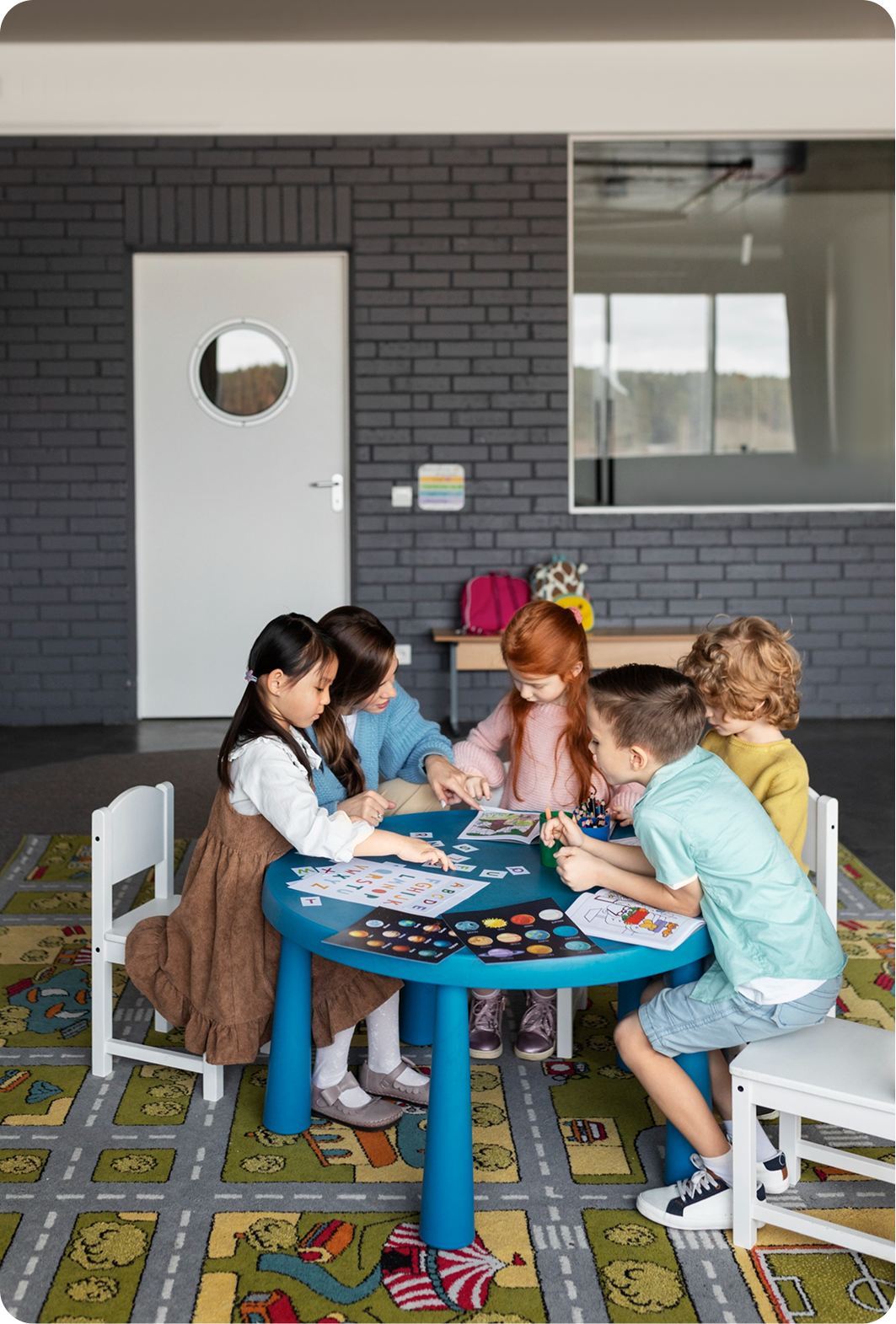
Child educational psychology setting
Educational Psychology

Scientific Structure That
Strengthens Montessori

Educational psychology strengthens the Montessori structure through a systematic approach based on developmental data.

  • Social-emotional development analysis
  • Self-regulation mapping
  • Child readiness identification
  • Character development strategies

Together, these two frameworks gave rise to the Parahita Montessori Growth Framework™.

The integration of Montessori and educational psychology gave rise to PMGF™ — a child growth system that is measurable, structured, and developmentally mindful.

Founding Story

Why Parahita Was
Founded

"Many academically bright children do not yet have a stable foundation of self-regulation and social intelligence."

— The observation that gave rise to Parahita

Parahita was born from a simple but deep observation. Meanwhile, Montessori is often understood only as activities or materials, not as a philosophy of human development.

Parahita was built to bridge the two by integrating two major frameworks into one measurable and guided system.

PHILOSOPHY Montessori
STRUCTURE Educational Psychology

In one measurable and guided growth system.

Parahita activities
Educational Belief

Beliefs About
Child Growth

Parahita is built on several core beliefs that guide every pedagogical decision.

Independence is built, not demanded.

Self-regulation matters more than mere achievement.

Leadership begins with the ability to manage oneself.

Every child has a unique developmental rhythm.

A structured environment creates safety for growth.

Healthy growth requires awareness, not mere stimulation.

Commitment to Children

Five Commitments
that Ground Parahita

As the architect of the Parahita system, the main commitment is to build a safe, consistent environment grounded in a strong philosophy.

Consistency in Montessori Philosophy

Maintaining consistency in Montessori philosophy through real practice, not merely as quoted theory.

Observation-Based System

Developing a system that is not reactive, but grounded in deep and continuous observation.

Children’s Emotional Safety

Prioritizing children’s emotional safety as the foundation of every intervention and pedagogical decision.

Respect for the Individual

Respecting each individual’s differences: learning pace, character, and exploration style.

Honest Partnership with Parents

Building an honest and open partnership with parents as an integral part of child growth.

Parahita commitment 1
Parahita commitment 2

Healthy growth requires awareness, not mere stimulation.

Parahita Learn & Grow Lab is built with the awareness that a child's growth requires more than just a program."

It requires a strong philosophy, consistent structure, and long-term commitment to human development from an early age.