How Montessori Is Practiced at Parahita
At Parahita Learn & Grow Lab, Montessori philosophy is put into practice through five integrated core components.
Montessori is not merely a spoken principle. It must be translated into a consistent and structured system.
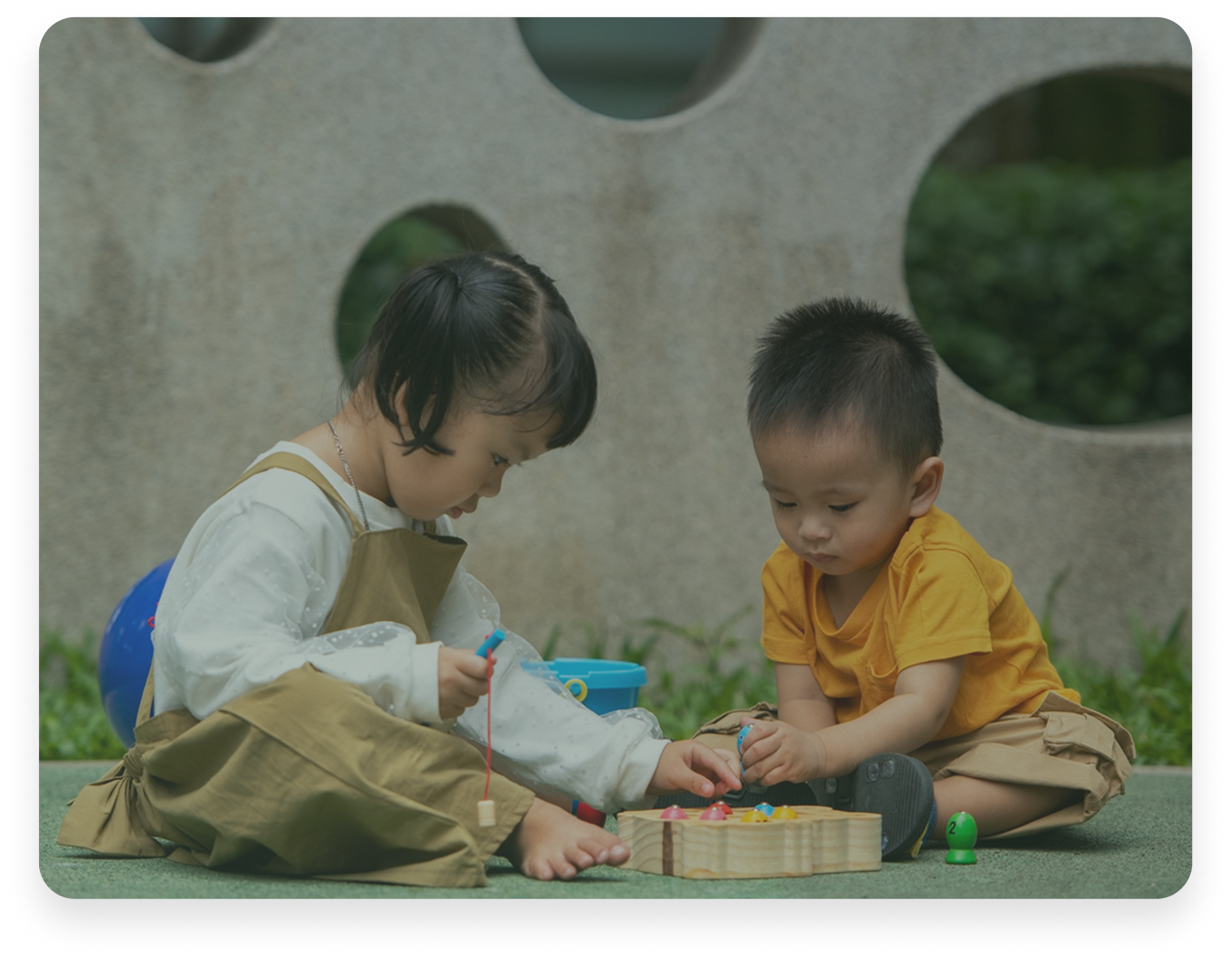
with Intention The environment is the first teacher. We design learning spaces that are:
An orderly environment creates a sense of safety —
and safety allows children to develop optimally.
Clear Limits Children need freedom to develop. But freedom without structure creates confusion.

Before Guidance Montessori emphasizes that understanding comes before action.
This approach makes intervention more precise and less reactive.
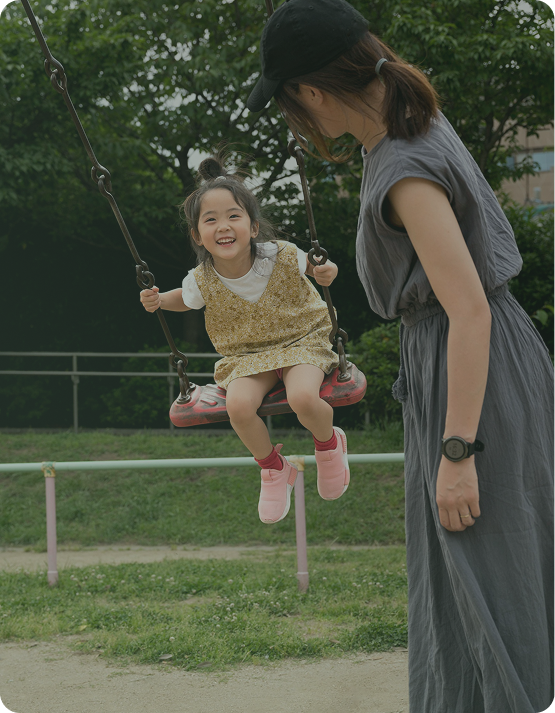
with Parents A child’s growth does not stop in the classroom. We build collaboration with parents through:
Mapped,
Not Guessed At Parahita, child development is not measured only by academic results. We use milestone mapping to view children as whole individuals in process, not products judged only by output.
Self-Regulation
A child’s ability to manage emotions and impulses independently.
Social Maturity
How children interact, cooperate, and build relationships.
Communication Skills
Verbal and nonverbal expression that develops naturally.
Adaptation to Challenges
Children’s flexibility and resilience in facing new situations.
Personal Responsibility
Initiative and ownership of one’s own choices and actions.
Early foundations of independence, emotional regulation, and environmental exploration.
Strengthening focus, communication, collaboration, and problem solving.
Developing leadership, responsibility, and independent learning.
Individual support aligned with each child’s unique developmental needs.
each child’s developmental needs.
"Montessori at Parahita is not merely a quoted philosophy."
It is a system carried out with discipline, observation, and structure. Healthy child growth needs more than activities.